September 12, 2025
When you meet Amiyah, you see a vibrant young woman who loves art, painting, makeup, doing hair, spending time with friends and family, and traveling. Behind her bright personality is a story of courage and a mother who worked hard to get her the best medical care.
Early Signs and Diagnosis
Amiyah’s story began before she was born. During her mother Angela’s pregnancy, doctors noticed that some of Amiyah’s vertebrae looked unusual on an ultrasound. Spina bifida was ruled out, but when Amiyah was four years old, her daycare teacher saw something strange when she bent over to touch her toes – her back was not straight. Doctors confirmed she had scoliosis.
“We were fitted for a brace right away,” Angela remembers. But as Amiyah grew, especially during her big growth spurts around age nine and ten, the spinal curve became more severe as her scoliosis progressed. Eventually, she developed severe kyphoscoliosis – an 81-degree curve both sideways and forward.
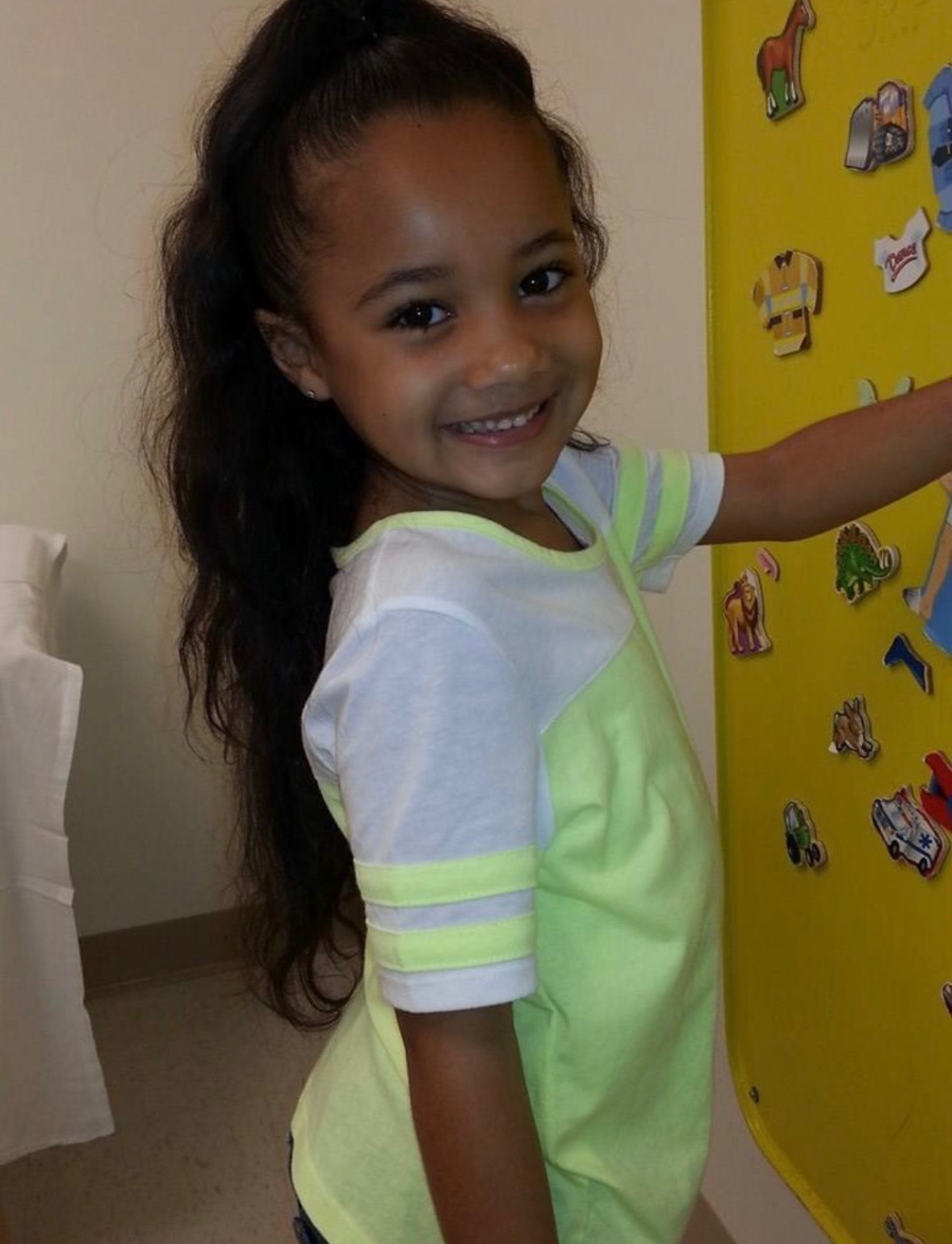
Munish Gupta, MD, MBA, expert in pediatric and adult spinal deformity surgery at WashU Medicine Orthopedics, explains that Amiyah’s condition was congenital, meaning the bones of her spine were malformed from birth. Unlike idiopathic scoliosis, where vertebrae are shaped normally but the spine curves due to genetic factors, congenital scoliosis involves vertebrae that are fused, wedge-shaped, or incompletely formed. These irregular growth patterns cause the spine to bend and twist as the child grows.
Searching for the Right Surgeon
Determined to find the best care for her daughter, Angela sought opinions from specialists across the country and even reached out to international spine surgeons. That search ultimately led her to Dr. Gupta at WashU Medicine in St. Louis.
“The moment we met Dr. Gupta, we felt at ease,” Angela recalls. “We knew this was the right place.”
Planning a Complex Surgery
Amiyah’s case was especially challenging. Her scoliosis and kyphosis were severe and compromised her breathing. Bracing was no longer an option, and surgery was the only way to help Amiyah and prevent further progression of her spinal curve.
“I was scared, but I couldn’t breathe well anymore, and I just wanted to feel better,” Amiyah explained.
Dr. Gupta and his team at first prepared for a very complex surgery called a vertebral column resection, which removes twisted bones and frees the spinal cord so the spine can be straightened. After studying her X-rays, CT scans, and 3D models, Dr. Gupta thought there might be another way. By carefully loosening parts of the spine and placing rods and screws, he hoped to correct her curve without removing vertebrae.
Surgery Day
In 2020, during the height of COVID, Amiyah went in for her life-changing procedure. “It was dark and rainy that morning,” Angela recalls. Amiyah remembers seeing their dog, Loomie, watch from the window as they left their home, hospital bound.
The surgical team went in with two plans: release the spine and correct the deformity, or, if that wasn’t enough, proceed with vertebral resection. Once the spine was released, it became clear that the correction could be achieved without removing vertebrae. What was expected to take eight hours lasted just three. For Angela, it was a moment of relief to learn from the waiting room that the plan had changed, and surgery was less extensive than expected.
Recovering 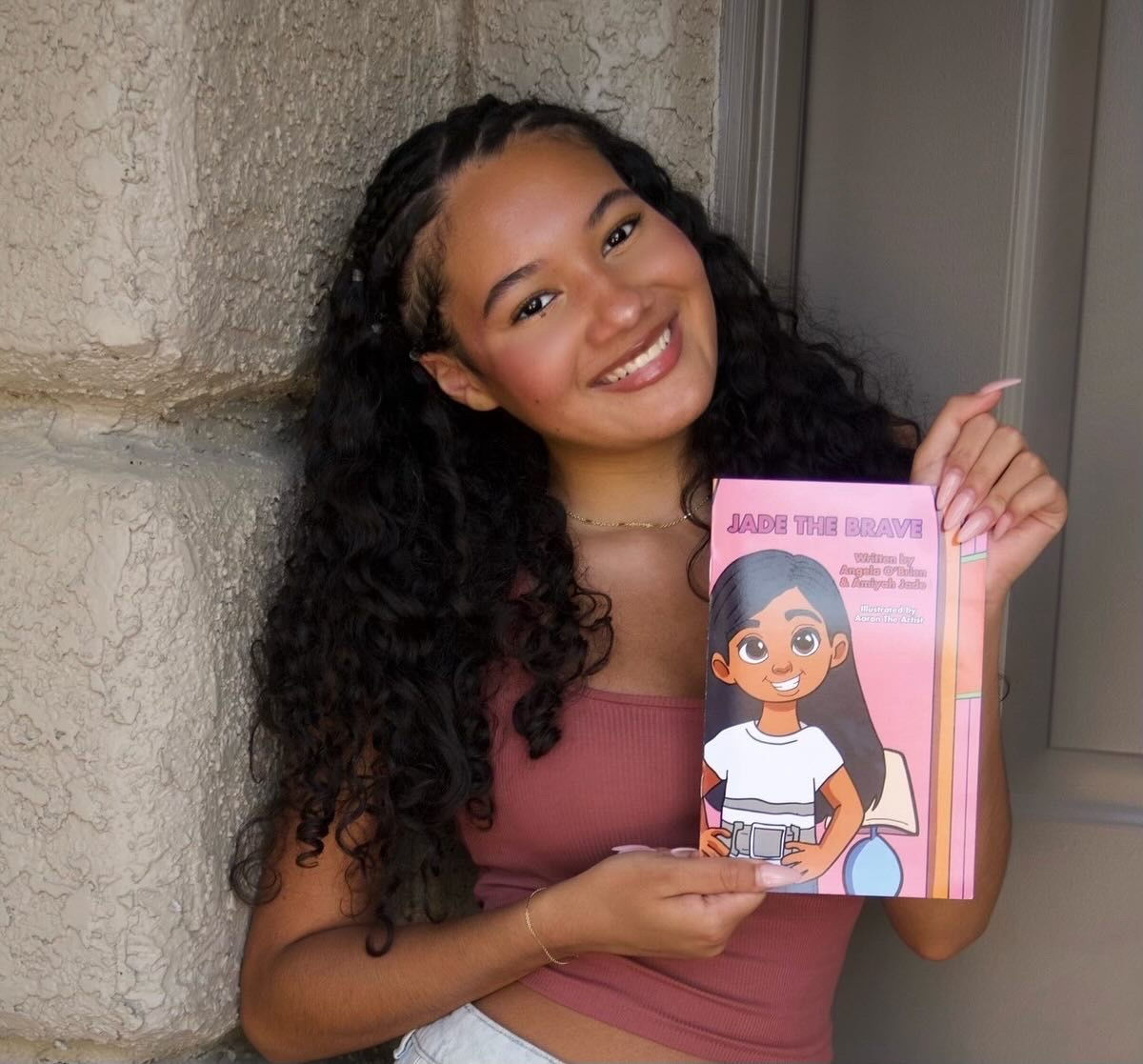
By day two, Amiyah was walking hospital hallways. “It felt like I was finally sitting up straight,” she says. “I could breathe easier.” Six weeks later, she was at the beach, and now, five years later, she says, “I’m so happy I had the surgery. I can do anything I want now.”
Dr. Gupta explains that early treatment is always better, before curves become too severe and rigid.
Sharing the Story
In 2021, Angela and Amiyah began writing a book about their journey, the first of a forthcoming series. For Angela, it was about more than documenting the surgery – it was about creating awareness and letting other families know they are not alone. Now, on the other side of successful congenital scoliosis surgery, they are advocates determined to help others find hope and community.
Angela’s advice:
“Trust God. Build a community. Don’t walk the path alone. And always listen to your inner voice – do what you think is best for your child.”
Now a high school senior, Amiyah is looking toward a bright future and we’re looking forward to reading the rest of her book series: Jade the Brave.
Learn why patients choose WashU Medicine Orthopedics, request an appointment online or call (314) 514-3500.