August 22, 2023
Meet John Clayton Clohisy Jr., MD
Spine Specialist
Dr. Clohisy is a fellowship-trained spine surgeon specializing in the comprehensive treatment of spinal disorders. He has particular interest in cervical spine surgery, minimally invasive spine surgery, motion preservation (non-fusion) surgery, robotics, computer navigation, adult deformity, and revision surgery.
Where are you from? 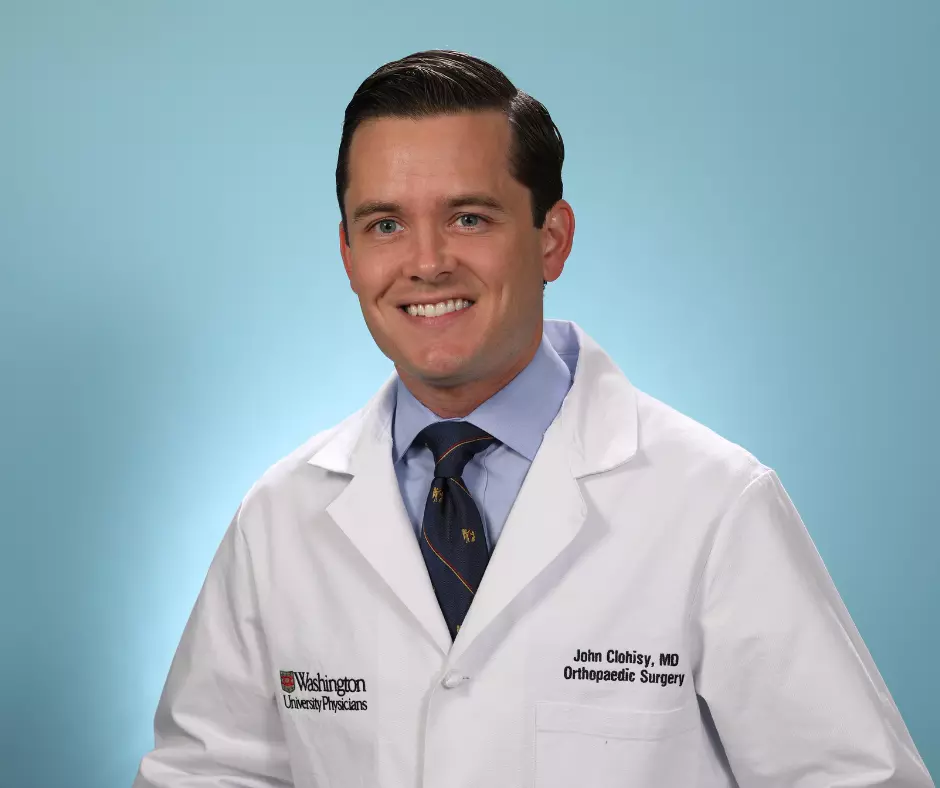
I was born and raised in St. Louis, MO and am the oldest of four boys. Growing up, we logged plenty of hours in Forest Park and at the St. Louis Zoo. We also played a lot of sports and were big St. Louis sports fans. A fun childhood memory was being in the nosebleeds at the old Busch Stadium when Mark McGwire hit #62 vs the Cubs and Sammy Sosa.
What made you choose spine care as a specialty?
I chose spine because I enjoy the positive impact that spine interventions can have on patients’ lives. I also really enjoy the technical aspects of spine surgeries and have had great spine surgeon mentors.
What brought you to Washington University Orthopedics?
I did my orthopedic surgery residency at Washington University and the clinical care, education, and research operations here are world-class. I felt that this was an ideal environment for me and was grateful for the opportunity to join my teachers and mentors on faculty.
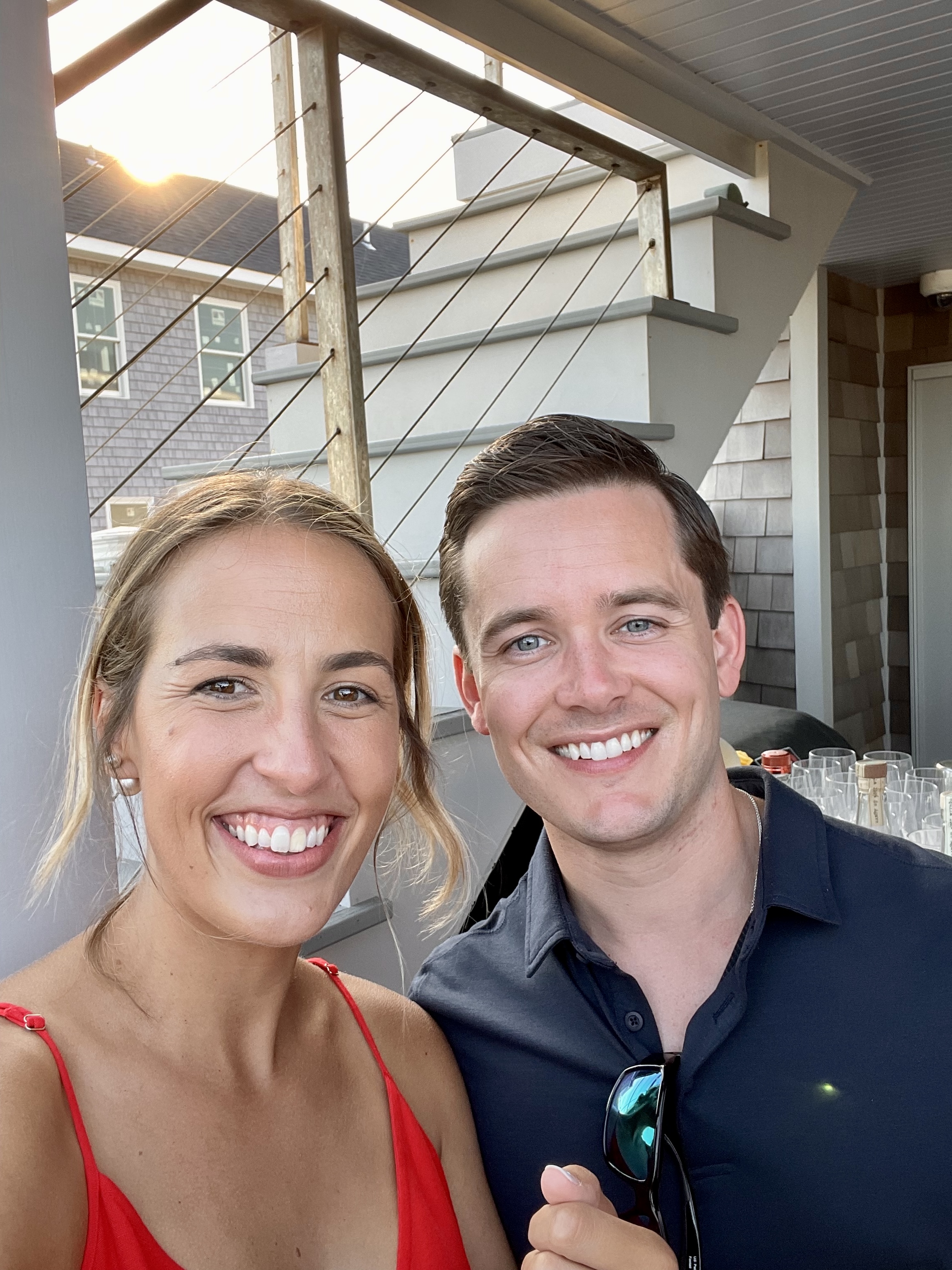
On a personal level, my wife, Annie, and I have been very excited to raise our family in St. Louis.
What aspect of your practice do you find most interesting or rewarding?
I enjoy orthopedics and spine surgery for many reasons but most important is the improvement in quality of life that the orthopedic team can provide for our patients. It is very rewarding when a patient comes to us in pain or with a problem related to their spine and we are able to help them through it so they can get back to doing what they enjoy.
Anything new on the horizon for spine care?
Minimally invasive spine surgery (MIS) involves using cutting-edge technology such as surgical robots, computer navigation, and specialized equipment to perform spine surgery through small (often <1 inch) incisions. MIS aims to minimize collateral tissue damage, preserve normal anatomy, and reduce the overall stress to the patient while achieving the same important goals as open surgery. Potential benefits of MIS for appropriately selected patients include less pain, less blood loss, quicker recovery, shorter hospital stays, lower infection rates, less radiation exposure to the surgical team, and higher cost savings to the health system. The technology that we use to perform these procedures and the techniques themselves continue to be refined. I am excited to offer my patients these procedures if they have a surgical problem that may be appropriately treated using a minimally invasive approach.
Another exciting area in spine surgery is motion preservation (non-fusion) surgery, particularly in the neck (or cervical spine). These techniques include cervical total disc replacement (also cervical disc arthroplasty) and cervical laminoplasty. While fusion surgeries continue to be excellent treatments for many patients with neck problems that have failed nonoperative care, there is high level evidence that non-fusion alternatives may have at least equivalent and potentially better outcomes in appropriately selected patients.
Finally, recent and future studies using large, high-quality data sets and advanced statistical methods should help spine doctors better understand the nuances of spinal diseases and patient types. This information will promote “personalized medicine” in which surgeons and patients develop tailor-made treatment plans that align with each patient’s specific problems and their treatment goals.
What is the best advice you ever received?
My parents taught my brothers and me to value hard work, humility, integrity, kindness, service, and family. These remain some of the most important values for me.
Professionally, several surgeons with whom I trained have created very high-performing teams in the operating room, in the office, and in academics/research. As a result, they have very impressive clinical practices and academic careers. These surgeons have built
their teams deliberately and over years. Common themes include treating people with dignity and respect, valuing each person’s contributions, and ensuring that each person shares in the team’s successes. This approach has had a profound impact on me and is something that I hope to replicate in my career.
What is your favorite thing to do outside of work?
I enjoy spending time with my wife and three (soon to be four) children. We get outside as much as we can. I am a Cardinals and Blues fan and am trying (without success) to convert my wife who is from Chicago and is a Cubs fan. I also enjoy running, working out, fishing, and reading.
If you weren't a physician, what would you like to be doing?
I would probably be an engineer, a rancher, run a landscaping business, or do some combination of these.
Learn why patient's choose Washington University Orthopedics, request an appointment online or call (314) 514-3500.