May 12, 2021
Meet Mark Halstead, MD – Sports Medicine Specialist
Associate Professor, Orthopaedic Surgery
If you think of “team” when you think of Dr. Halstead, you’re not alone. He is a team leader, team player and team physician. As a trusted sports medicine specialist, he is an advisor and board member for local and national sports organizations, is a dedicated doctor for local schools and clubs, and serves as a medical consultant to the St Louis Blues.
Dr. Halstead specializes in bone, muscle and joint concerns and injuries for athletes of all ages and skill levels. He is a leading expert on stress fractures and concussions, and is currently working with other institutions to identify ways to optimize care and recovery for kids with sports concussions.
Where are you from?
I am a Chicago native but spent most of my life in Wisconsin. First, outside of Milwaukee, then 13 years in Madison for my schooling at the University of Wisconsin.
What made you choose sports medicine as a specialty?
In my first year of medical school, I was mentored by a pediatric sports medicine physician, Dr. Greg Landry. I knew I wanted to pursue some type of pediatrics but when I found out I could be a pediatrician and also practice in the world of sports and sports injuries, I was sold.
What brought you to Washington University Orthopedics?
My fellowship training was in sports medicine at Vanderbilt. Dr. Kurt Spindler was one of the orthopedic surgeons who trained me at Vanderbilt and he had some research partnerships with Dr. Rick Wright – an orthopedic sports surgeon at Washington University at the time (Ironically, he has since moved back to be orthopedic department chair at Vanderbilt.) At the time there were no sports medicine physicians at Washington University who were not surgeons, and they suggested I would be a worthwhile additional to the sports medicine division here. I interviewed and really felt this was the place I wanted to be, and now, almost 17 years later, have really made St Louis my home.
What aspect of your practice do you find most interesting or rewarding?
As a sports medicine physician I can be both a hero and villain in the same day. I can be a hero when we tell athletes it is ok to return to sports after an injury, or offer reassurance that their issue is something we can work with and provide them ways to improve their problem. However, because many of the kids and families we see in our clinic have an intense love of sports, when an injury or problem occurs that may require time off from their sport – especially around tourneys and championship events – I’m not always that patient’s favorite person. We try to find ways to allow someone to stay active or safely participate if there is not great potential for making their problem worse, but sometimes that just isn’t possible. In those instances, I understand the frustration, having personally been in similar situations from sports injuries, but it doesn’t make it any easier to make those particular recommendations to an athlete.
Are you working on any interesting clinical trials or studies right now?
There are a few studies I am currently working on, both of them multi-center studies where we are partnering with other researchers around the country. The first is looking at kids with sport concussions and trying to find predictors from their history or exam that may allow us to identify who may be at risk for a longer recovery. I also have a lot of interest in bone stress injuries, sometimes called stress fractures, and we are identifying some of the less common injuries that aren’t reported commonly in young athletes to add to the sports medicine literature about these injuries.
What’s the best advice you ever received and who was it from?
My mentor, Dr. Landry, likes to say “shut up and listen.” Basically, that means we should be letting the patient tell us their story. With busy clinics, that can be challenging, but I think it’s important to hear a patient’s concerns. However, I also use that simple statement to make sure that I ask all the necessary questions and get all the details needed to truly figure out a problem. Some of the best clinicians I have worked with have an uncanny knack to figure many things out by taking a thorough history. Part of that comes from knowing the right questions to ask, which comes with experience, and in sports medicine understanding the sport. Truly some of our problems are figured out the easiest by asking a few extra questions….the devil is in the details.
What’s your favorite thing to do outside of work?
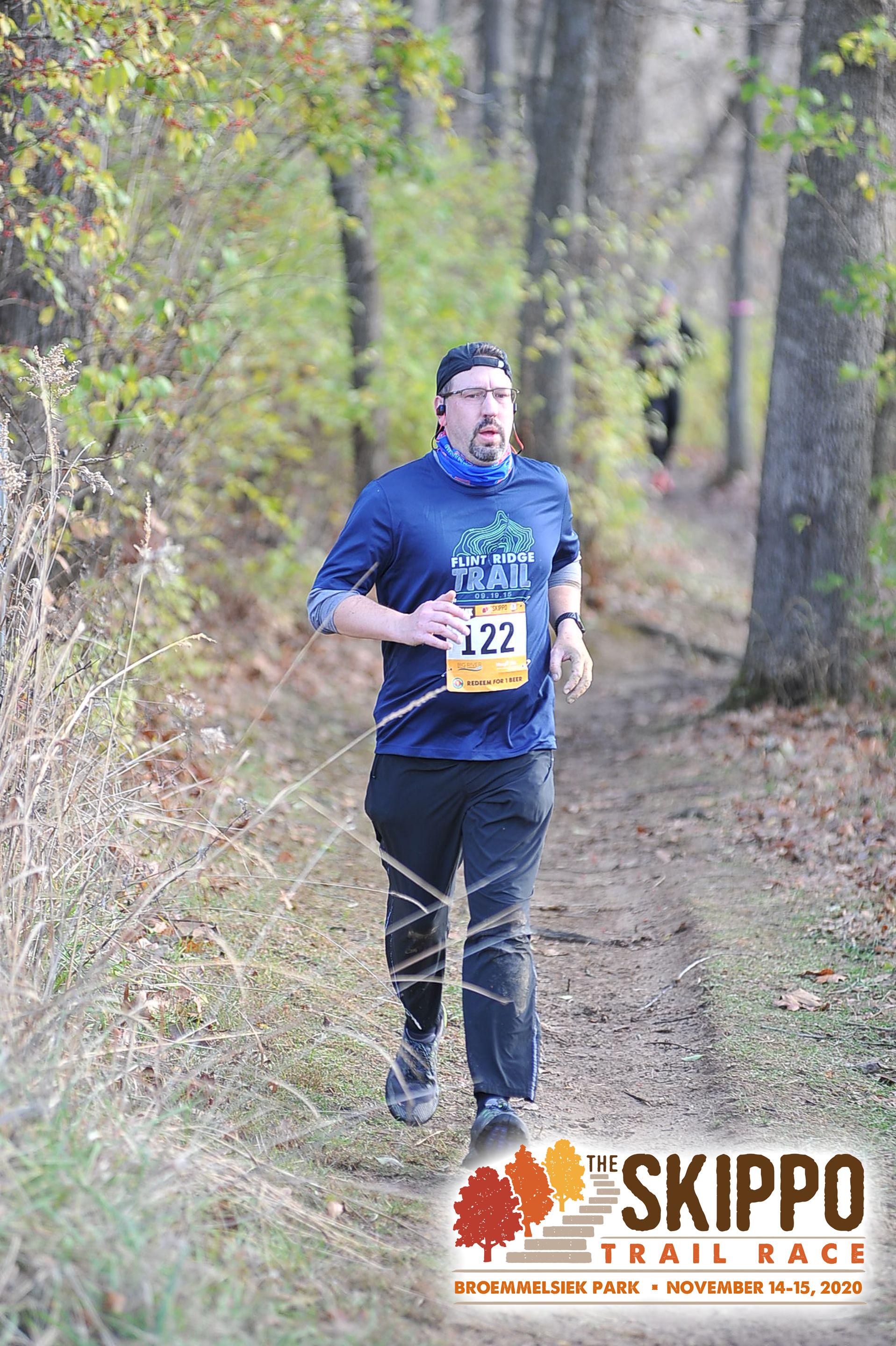 I enjoy running. I’ve completed 10 half marathons and have been missing the in-person races during the COVID pandemic. I’m hopeful for running another in fall of 2021. This past year I took up podcasting and have two pediatric sports medicine themed podcasts, the Pediatric Sports Medicine podcast and the Healthy Young Athlete podcast. I was a college disc jockey for our student radio station and being a podcaster takes me back to those days in college being behind the microphone.
My wife coaches cross country and track at our kids’ high school, so it’s fun to have that exposure that isn’t always watching sports in the physician role. I have three kids (and two cats!) and we will be sending our oldest off to college in a few short months.
If you weren’t a doctor, what would you like to be doing?
This is a tough one. I have A LOT of interests outside of medicine…my wife would confirm that! I like to try different things, especially things that don’t have to do directly with medicine. Two careers I would have enjoyed outside of medicine may have been journalism or cooking. Journalism, since I like writing and interviewing a patient for their medical problem (almost a form of investigative reporting). And being a chef, because I truly like to cook but just don’t have enough time to do it regularly now. Spending time in the kitchen is relaxing to me.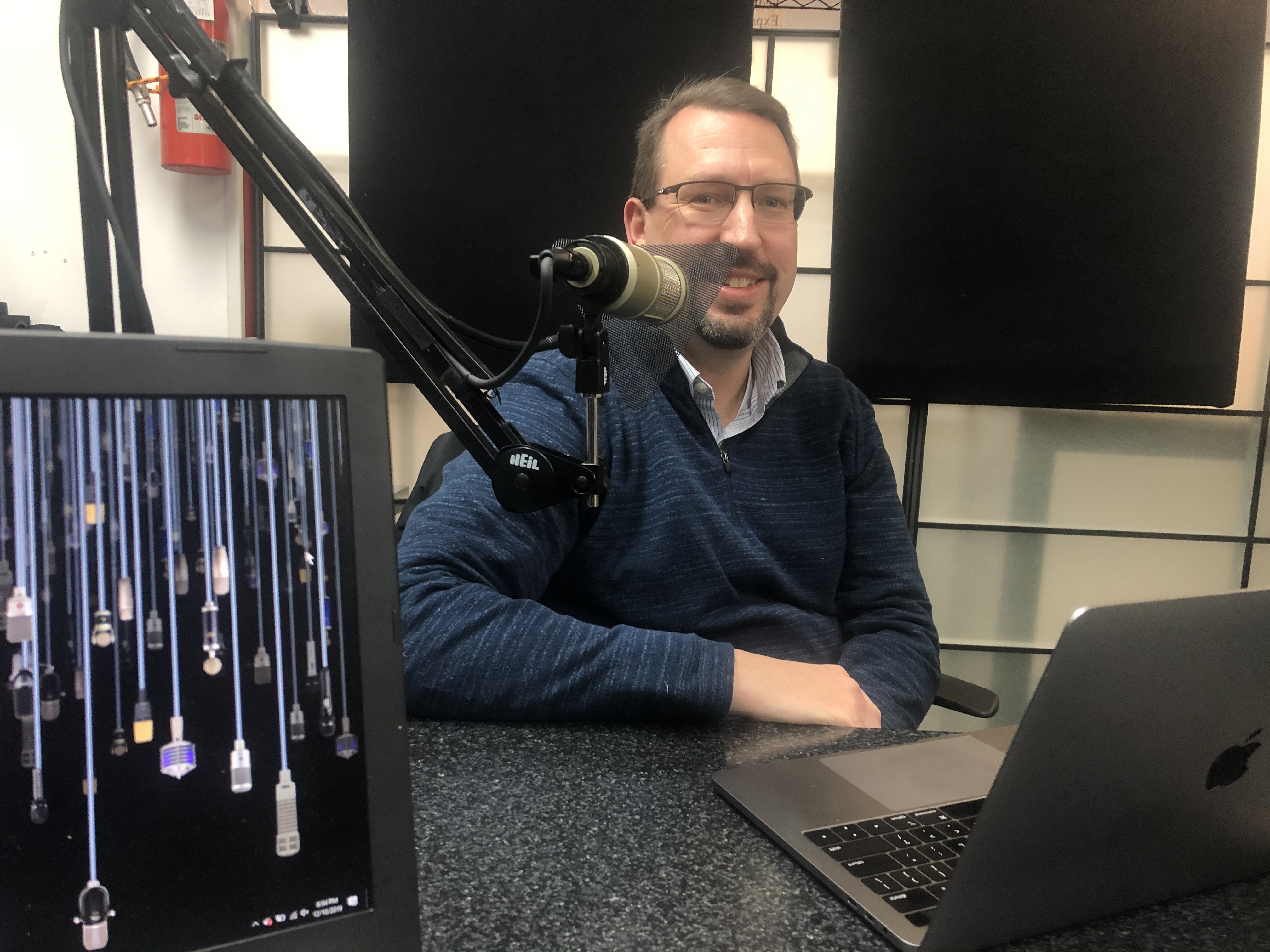
Learn more about Dr. Halstead, our sports medicine experts and how we are dedicated to caring for athletes of all ages as team physicians.