September 16, 2026
Meet Alex Gu, MD
Hip and Knee Specialist
Dr. Alex Gu specializes in primary and complex hip and knee replacement using the latest advances in surgical techniques and technology, including robotic and technology-assisted arthroplasty. His philosophy is simple: the best outcomes come from combining precise surgery with thoughtful preparation and individualized care.
A defining focus of Dr. Gu’s practice is bone health optimization. Healthy bone is fundamental to successful joint replacement, influencing implant fixation, recovery, and long-term durability. Working closely with specialists across Washington University, he strives to identify and address factors that may affect surgical success, creating a comprehensive approach that prepares patients, not just their joints, for surgery.
Where are you from? 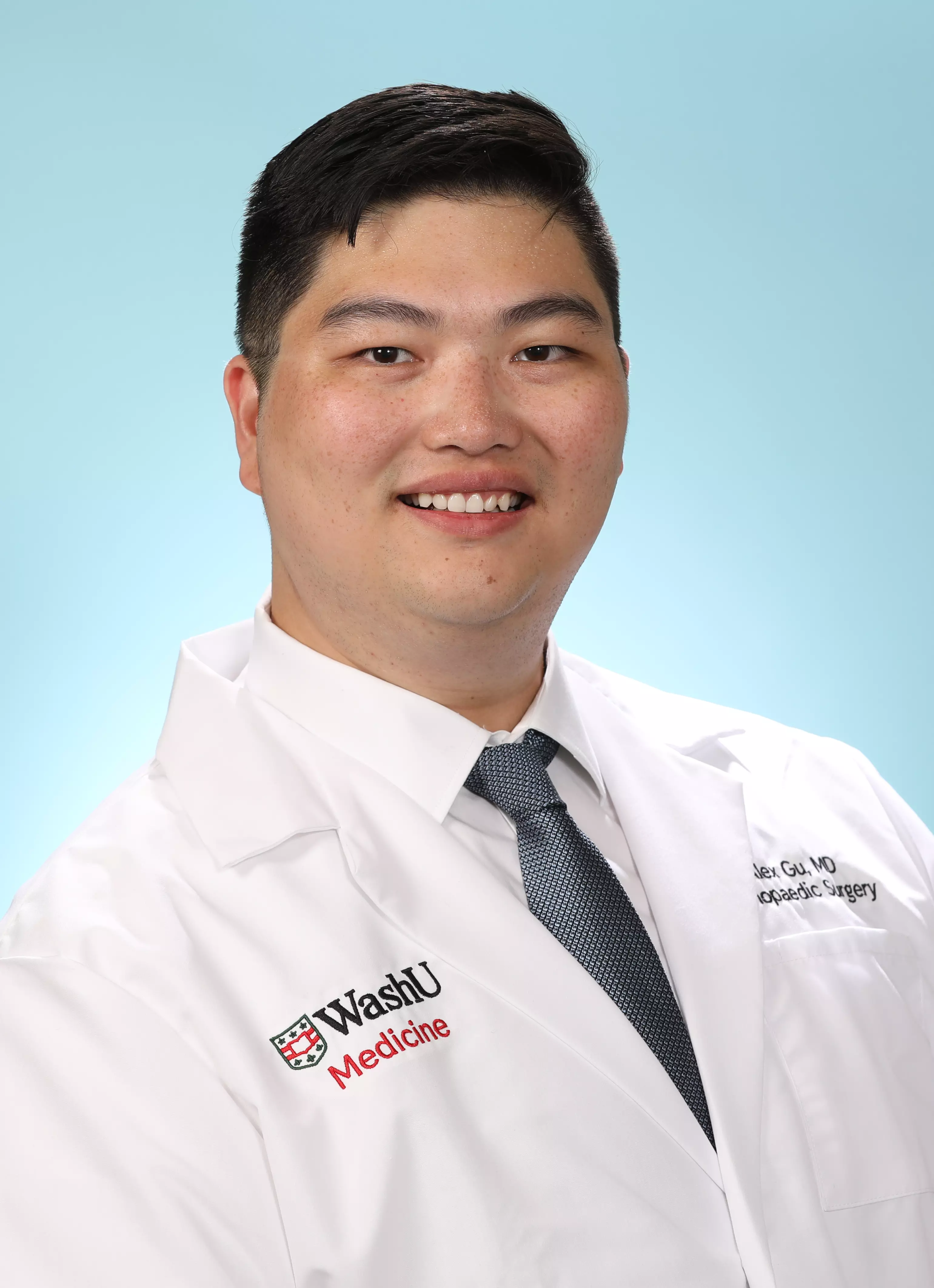

I grew up in Chappaqua, New York, about an hour outside of New York City. It was a great place to grow up because you had the feel of a close-knit community while still being so close to the city.
What made you choose orthopedics/recon as a specialty?
I was drawn to orthopedics because it combines problem-solving, technical skill, and the opportunity to make a very tangible difference in a patient's quality of life.
I became especially interested in hip and knee reconstruction because the impact can be so dramatic. Patients often come to us because the joint pain has gradually taken away things they enjoy doing, whether that's walking, hiking, traveling, exercising, or simply keeping up with the grandkids. Being able to restore that function and independence is incredibly rewarding.
What brought you to WashU Medicine Orthopedics?
I completed my adult reconstruction fellowship here at WashU, so I had the opportunity to see firsthand what makes this department special.
WashU Orthopedics has a long history of pioneering advances in musculoskeletal care and setting a very high standard for hip and knee replacement. I wanted to be part of that tradition and, hopefully, help continue building on it. What ultimately made staying here so compelling was the combination of excellent clinical care, thoughtful mentorship, collaboration, and the opportunity to contribute to the future of joint reconstruction.
What aspect of your practice do you find most interesting or rewarding?
The most rewarding part of my practice is being able to dramatically change someone's quality of life.
Patients often come to us after arthritis has limited them for months or even years. After a successful hip or knee replacement, seeing someone return to the things they love, whether that's walking, traveling, exercising, playing with their grandchildren, or simply getting through the day without pain, is incredibly gratifying.
That's ultimately what makes joint replacement so rewarding. The operation itself is important, but what really matters is what it allows the patient to do afterward.
Is there a patient who made a lasting impact on you? 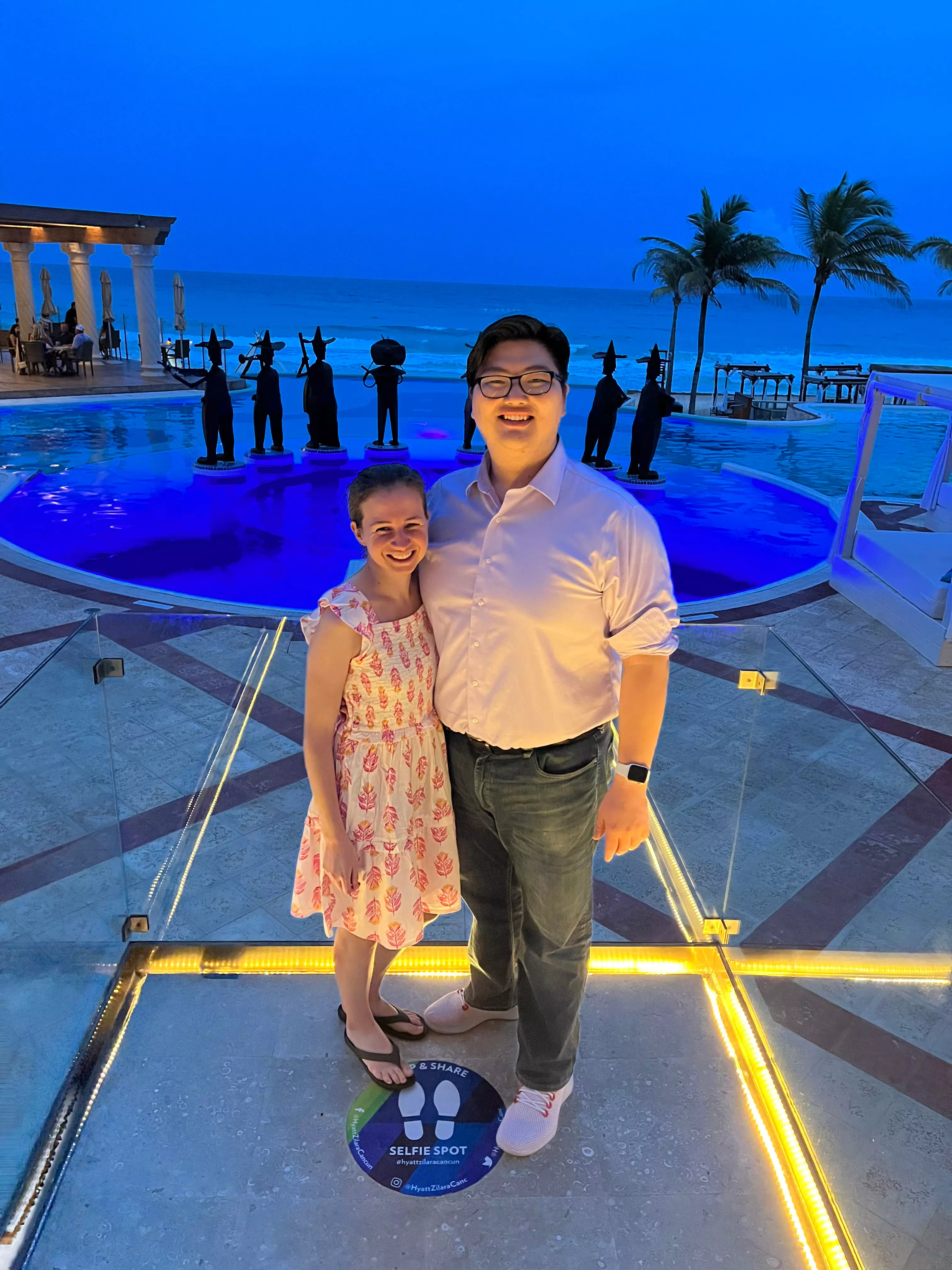
One of the experiences that has most shaped how I think about patient care came from watching my wife become a patient.
A few years ago, she experienced a pregnancy loss and unexpectedly needed an urgent procedure. There was obviously a great deal happening medically, but afterward, what she remembered most vividly wasn't a medication, a test, or even the procedure itself. It was a patient transporter who held her hand and asked if she could pray with her on the way to the operating room.
We come from a different faith tradition, and what made that moment powerful wasn't about a particular religion. It was that, in an incredibly frightening and vulnerable moment, someone recognized that she was hurting emotionally as well as physically and chose to connect with her as a person.
She later wrote about the experience and how several members of her care team took the time to acknowledge her loss and grief. Watching that experience from the other side of medicine changed the way I think about caring for patients.
As physicians, we spend a tremendous amount of time learning how to diagnose problems and technically treat them well. Those things are essential. But patients often remember something else: whether you understood what they were going through and whether they felt that you genuinely cared.
I try to carry that lesson into my own practice. Before focusing on an X-ray or an operation, I want to understand the person sitting in front of me, what they're worried about, what they've lost because of their condition, and what they're hoping to get back. Sometimes the most meaningful part of caring for someone is simply recognizing what they need in that moment.
What's on the horizon for reconstructive orthopedic medicine?
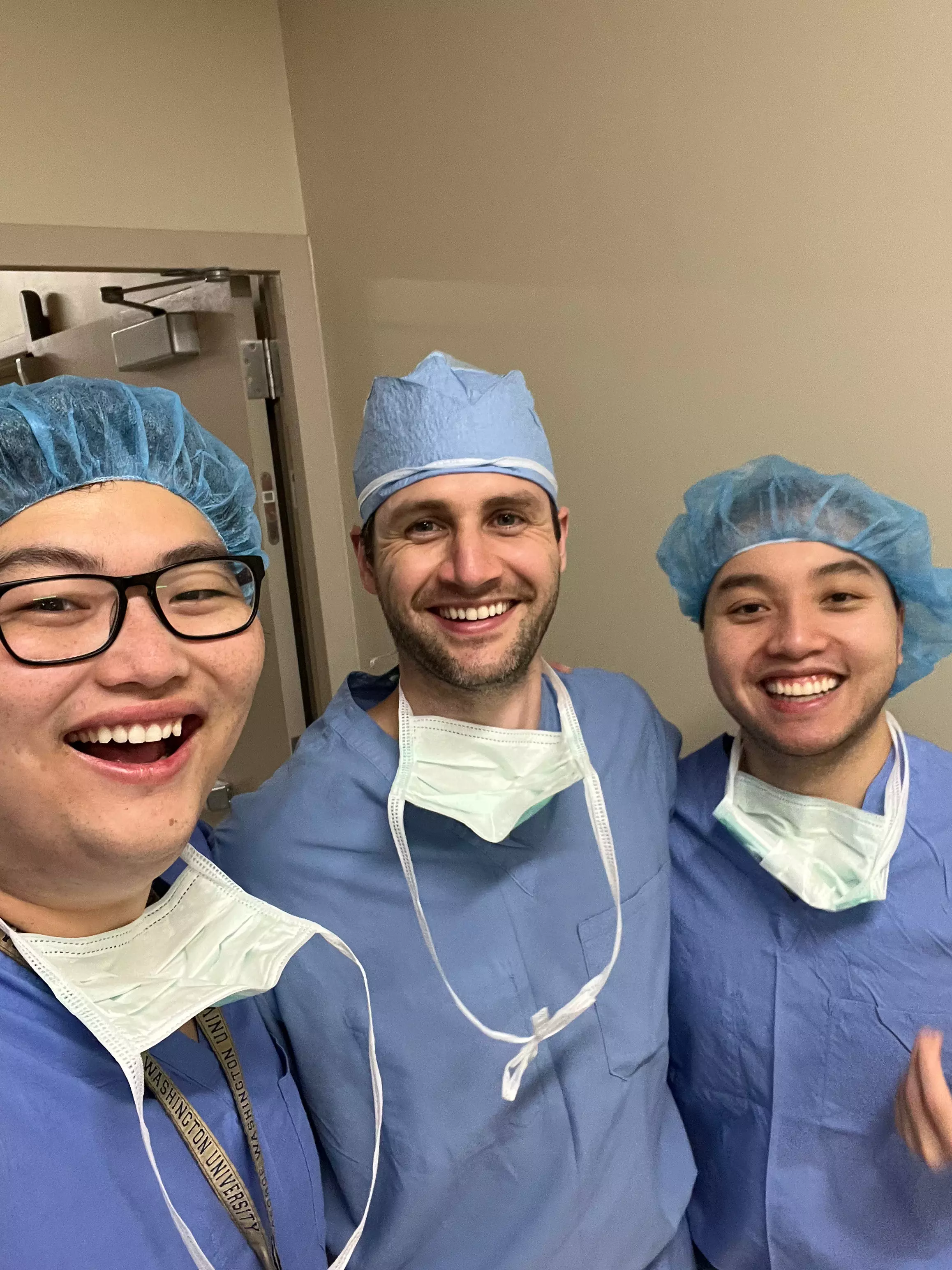
As a field, we have become very good at hip and knee replacement. Advances in implant design, materials, surgical techniques, and implant longevity have made joint replacement one of the most successful procedures we perform in modern medicine.
We are also seeing emerging technologies such as robotics, navigation, advanced imaging, and new ways of measuring recovery that provide us with even more information and capabilities.
I think the next frontier is personalized joint replacement: using all of those tools and a better understanding of each patient's anatomy, bone quality, overall health, activity level, and goals to tailor treatment to the individual rather than approaching every patient the same way.
That also means looking beyond the operating room. Factors such as bone health, strength, medical optimization, and recovery strategy will increasingly become part of how we personalize care and improve outcomes.
What's the best advice you ever received?
One of the best pieces of advice I've received is to focus on doing the right thing consistently rather than worrying too much about immediate results.
That applies to patient care, research, and really most aspects of a career. If you take care of people well, prepare carefully, stay curious, and keep trying to improve, many of the larger goals tend to follow.
What is your favorite thing to do outside of work?
My favorite thing outside of work is spending time with my family. My wife and I have two young daughters, so much of my free time is spent at the playground.
We enjoy exploring St. Louis, trying new restaurants, and the occasional travel when we have the opportunity.
If you weren't a physician, what would you like to be doing?
I would want to be a chef.
I really enjoy cooking and experimenting in the kitchen, although I should probably emphasize that my enthusiasm is considerably greater than my actual culinary skill.
I like the creativity of it, the process of trying to make something better, and especially being able to cook for family and friends. If medicine hadn't worked out, I would have needed a lot more training before anyone let me run a restaurant.
Anything else you'd like to share?
My wife and I have two young daughters, and we're excited to raise our family in St. Louis.
One of the things I value most about academic medicine is the opportunity to teach and mentor. I've benefited tremendously from mentors throughout my own training, and I enjoy working with medical students, residents, and fellows as they develop their own careers.
I'm also particularly interested in how we can continue improving joint replacement beyond the operation itself, including better understanding bone health and preparing patients for surgery in a more individualized way. That combination of patient care, research, teaching, and continual improvement is a big part of what drew me to academic orthopedics.
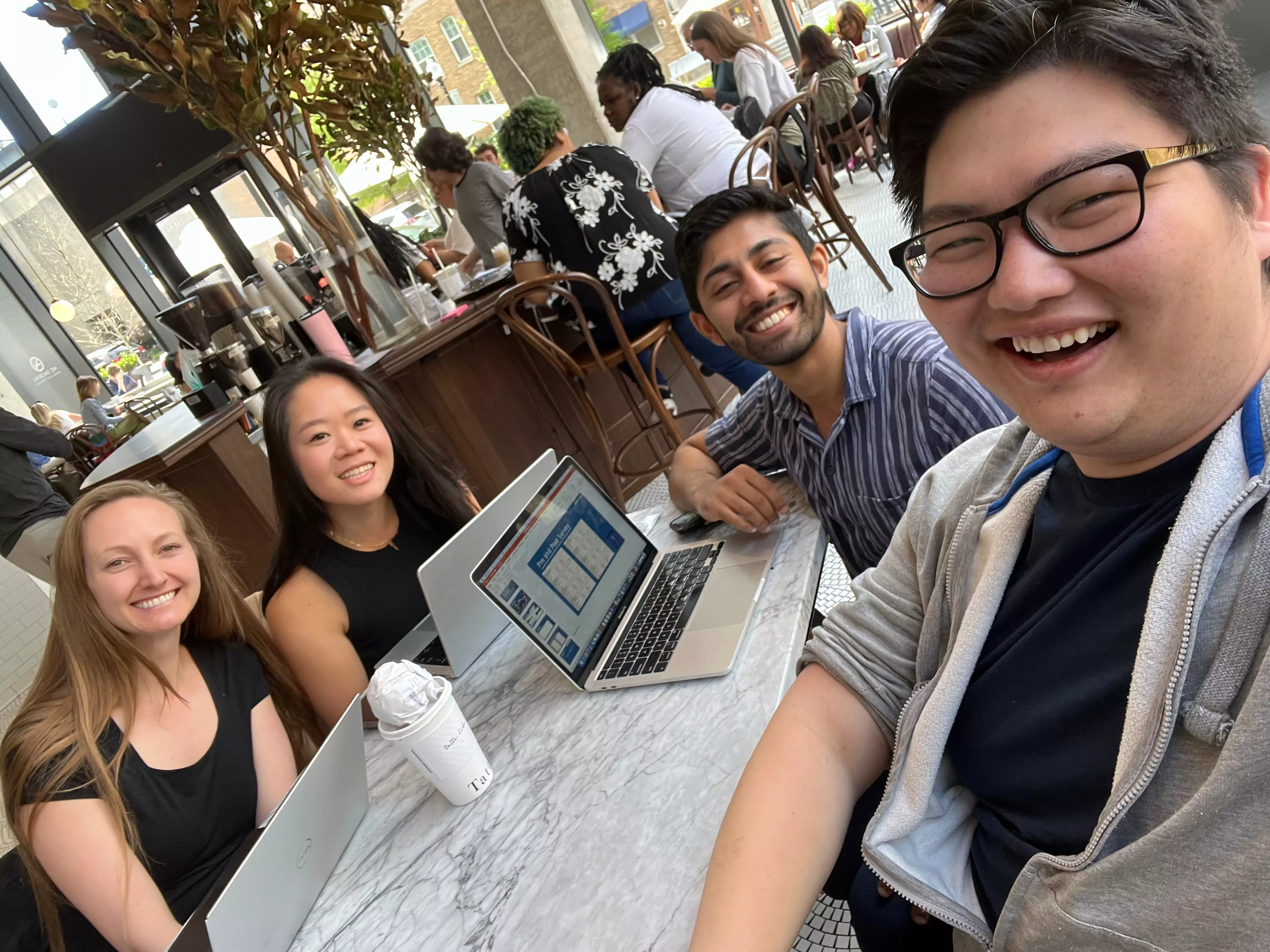
Learn why patients choose WashU Medicine Orthopedics, request an appointment online or call (314) 514-3500.