July 26, 2024
During the summer of 2024, when all eyes are on Paris and the Olympic games, we're looking to Katherine Caldwell, MD. Dr. Caldwell is an expert in Physical Medicine and Rehabilitation with an impressive swim career. She swam competitively from five years old through her division 1 collegiate years.
Personal Record: Dr. Caldwell qualified for the World Championship Trials and Olympic Trials in the 100m breaststroke.
Swimming Injuries
At a recreational level, swimming is a low-impact sport that is often easier on joints than other forms of exercise because the water supports body weight and typically puts less stress on the body. However, competitive swimmers often face injuries in their sport from overuse. "I actually had four knee surgeries during my swim career," Dr. Caldwell explains. She breaks down common injuries seen in swimmers:

- Shoulder issues, like shoulder impingement or rotator cuff injuries, are more common in people who swim butterfly, freestyle and backstroke.
- Knee problems are more common in breaststrokers because of chronic MCL sprains or medial meniscus tears.
- Back pain is also fairly common in swimmers, because of the repetitive flexion and extension of the back during the dolphin kick.
Swim Injury Prevention
Often times, swim injuries stem from overtraining, poor stroke form and muscular imbalances. Dr. Caldwell combines her experience and expertise to keep swimmers healthy. She provides important tips to prevent injuries from occurring:
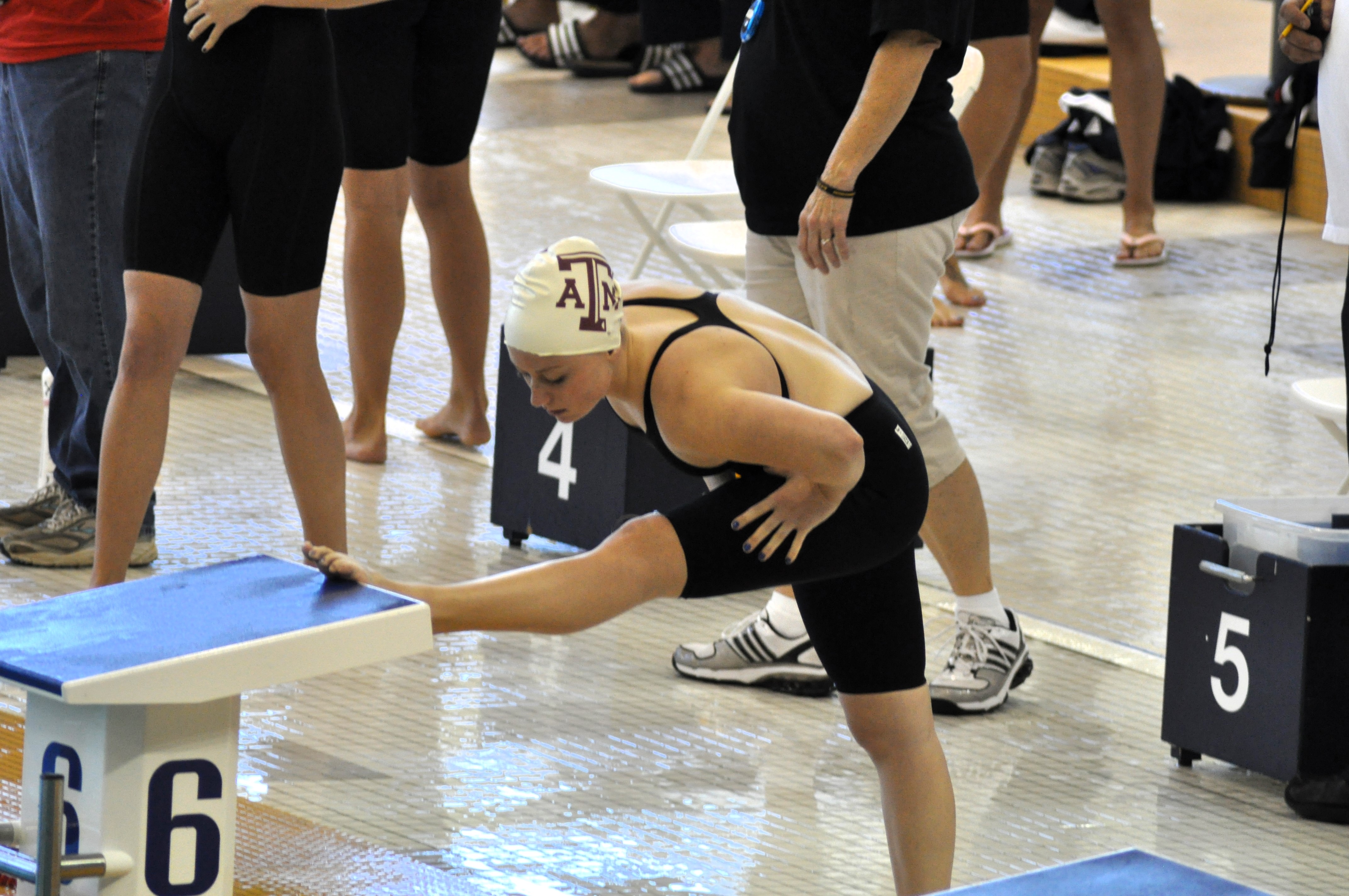
- Focus on recovery – This includes prioritizing sleep, getting enough nutrition and being sure to take at least 1-2 days off per week to allow for much needed rest.
- Proper technique – Swimmers should work with their coaches and sometimes physical therapists or physicians who are familiar with proper swimming mechanics to optimize athlete technique.
- Land training – It's also important to focus on dry-land activities like weightlifting, plyometrics, running and core exercises to balance out the natural muscular imbalances that can happen from high volume swimming.
The Swim Doctor
Dr. Caldwell knows what it takes to be a successful competitive swimmer. She also knows just how to keep swimmers healthy and in top form to optimize their training and performance. "I'm here to help swimmers understand the root-cause of their pain and work with them to create a personalized treatment plan focused on getting them healthy and back in the water as quickly as possible!"